
Water Damage Repairs to Drywall Ceilings in Massachusetts: Doing It Right
Water Damage Repairs to Drywall Ceilings in Massachusetts: Doing It Right
DRYWALL CEILING REPAIRSWATER DAMAGE
Jason Lebeau
1/3/20264 min read
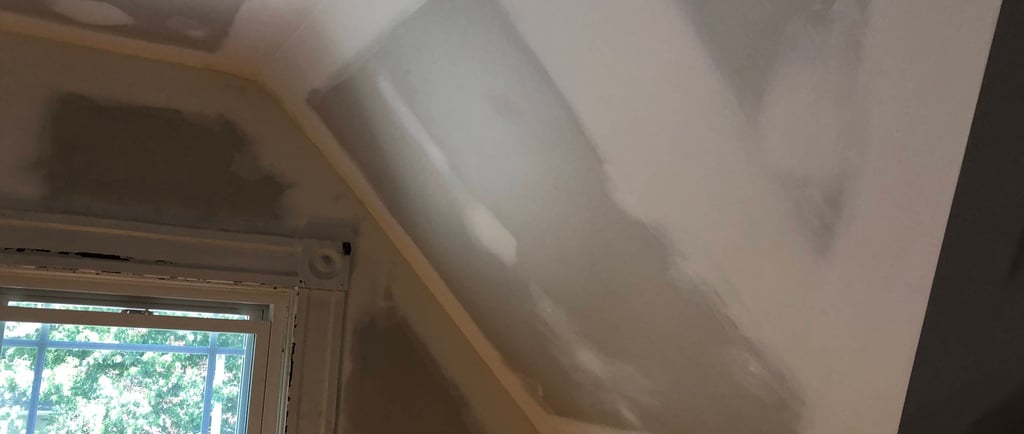
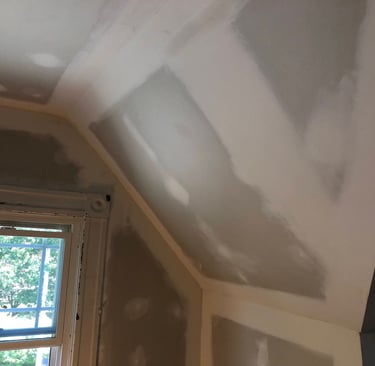
Understanding Water Damage in Drywall Ceilings
Water damage in drywall ceilings often presents significant challenges for homeowners, with potential consequences that can range from minor cosmetic issues to major structural concerns. The types of water damage primarily stem from persistent moisture infiltration due to leaks, flooding, or elevated humidity levels. Identifying these sources promptly is crucial to mitigate further deterioration and prevent the proliferation of mold, which can pose health risks to occupants.
Common causes of water damage in drywall ceilings include roof leaks, plumbing failures, and inadequate drainage systems. When roof leaks occur, water can trickle down, saturating the drywall and compromising its integrity. Similarly, plumbing issues can lead to sudden bursts or slow leaks, resulting in accumulation of moisture that may not be immediately visible. High indoor humidity levels, especially in areas such as bathrooms and kitchens, can also contribute to mold growth and weakening of the drywall structure.
Homeowners should be vigilant for signs of water damage to address problems early. Discoloration of the paint on the drywall is a common indicator, often appearing as yellow or brown spots. Additionally, peeling paint is a telltale sign that moisture has penetrated the surface, while sagging ceilings indicate significant absorption of water. By regularly inspecting ceilings for these symptoms, homeowners can recognize potential issues before they escalate into more serious complications.
Ultimately, understanding the types of water damage that can affect drywall ceilings, along with their common causes and signs, is paramount for effective maintenance and repairs. Timely action and awareness can prevent extensive damage and preserve the structural and aesthetic qualities of the home.
Assessing the Damage and Planning the Repair
Water damage to drywall ceilings can lead to significant complications if not addressed promptly and effectively. The first step in mitigating these issues is a thorough assessment of the damage. Inspecting the ceiling involves looking for discoloration, warping, or sagging, which are clear indicators of moisture infiltration. Homeowners should also check for any mould growth, as damp environments can foster such unwanted developments. Utilizing tools like a moisture meter can provide an accurate reading of humidity levels within the drywall, allowing for informed decisions regarding repair or replacement.
It is essential to distinguish between minor water damage that can be handled independently and more extensive damage that necessitates the expertise of professionals. For instance, if the damage is localized and the integrity of the surrounding structures remains intact, homeowners may opt to perform simple repairs. This could include drying out the affected area, applying a sealant, and patching any small holes. On the other hand, if the water damage is widespread or if there is uncertainty regarding the condition of the framing or insulation, consulting with professionals is highly advisable. Experts possess the necessary skills and knowledge to conduct a comprehensive evaluation and recommend appropriate solutions.
After determining the extent of the water damage, planning for repairs should commence. Establishing a timeline is crucial, as it helps in organizing the repair process while mitigating further potential problems. Budget considerations will also play a vital role in determining whether a full replacement of the drywall ceiling is necessary or if a partial repair is sufficient. Factors such as the cost of materials, labor, and the projected timeframe for completion should all be factored into the planning process to ensure a successful restoration of the ceiling without compromising quality.
DIY Repair Techniques for Water-Damaged Drywall Ceilings
Water damage can significantly affect drywall ceilings, leading to unsightly stains, sagging, or even mold growth. Addressing these issues promptly is essential for maintaining both aesthetics and structural integrity. For homeowners in Massachusetts looking to tackle these repairs themselves, it is crucial to be equipped with the right tools and materials.
Before commencing repairs, gather the necessary tools: a utility knife, drywall saw, measuring tape, joint compound, drywall tape, a putty knife, sandpaper, and a paint roller or brush. Depending on the extent of the damage, you may also need additional materials such as new drywall sheets or ceiling tiles.
To begin, ensure safety by wearing protective gear, including goggles and a dust mask, especially if mold is present. Start by assessing the damaged area. If the drywall is merely stained, you might only need to apply a coat of primer over the affected area. For more severe damage, cut out the compromised section using a utility knife or drywall saw, making sure to remove any moldy or soggy material.
Next, measure and cut your new drywall to fit the area where the previous piece was removed. Secure it in place using drywall screws. After installation, apply a layer of joint compound over the seams, embedding drywall tape to ensure a solid bond. Allow the joint compound to dry completely before sanding it down to a smooth finish.
Finally, paint over the repaired area to blend it with the existing ceiling. When painting, use a ceiling paint that matches the rest of the room. To minimize mess, cover floors and furniture with drop cloths. Using these techniques can result in a professional-looking repair, prolonging the life of your ceiling and enhancing your home's overall appeal.
Hiring Professionals for Water Damage Repairs: What to Expect
When faced with water damage to drywall ceilings, it can often be tempting for homeowners to undertake repairs themselves, believing they can save both time and money. However, significant water damage can pose risks and may require specialized knowledge that the average homeowner may lack. Hiring professionals for water damage repairs not only ensures that the job is performed correctly, but it also brings several other benefits as well.
One of the foremost advantages of enlisting a qualified contractor is their expertise in assessing the extent of the damage. Professionals can efficiently identify underlying issues such as mold growth, structural integrity risks, and hidden moisture, leading to a comprehensive remediation process. When searching for a reliable contractor, it is crucial to verify that they possess the necessary licenses and insurance, as this protects you from potential liabilities. Additionally, inquire about their experience in handling water damage restoration specifically, as familiarity with local conditions in Massachusetts can greatly enhance their effectiveness.
The typical repair process initiated by professionals involves three main stages: damage assessment, remediation, and restoration. Initially, contractors will conduct a thorough examination to gauge the severity of the water damage and develop an appropriate action plan. Following this, they engage in remediation, where they extract excess moisture and address any existing mold or bacteria problems. Finally, restoration entails repairing or replacing damaged structures, including drywall, and ensuring that the area is safe and habitable.
While it is essential to consider costs when hiring professionals, investing in expert services can save money in the long run by preventing further damage and ensuring repairs are performed correctly the first time. Understanding the scope of the project and obtaining quotes from multiple contractors can help homeowners make informed decisions and ensure their water damage repairs are handled with due diligence.